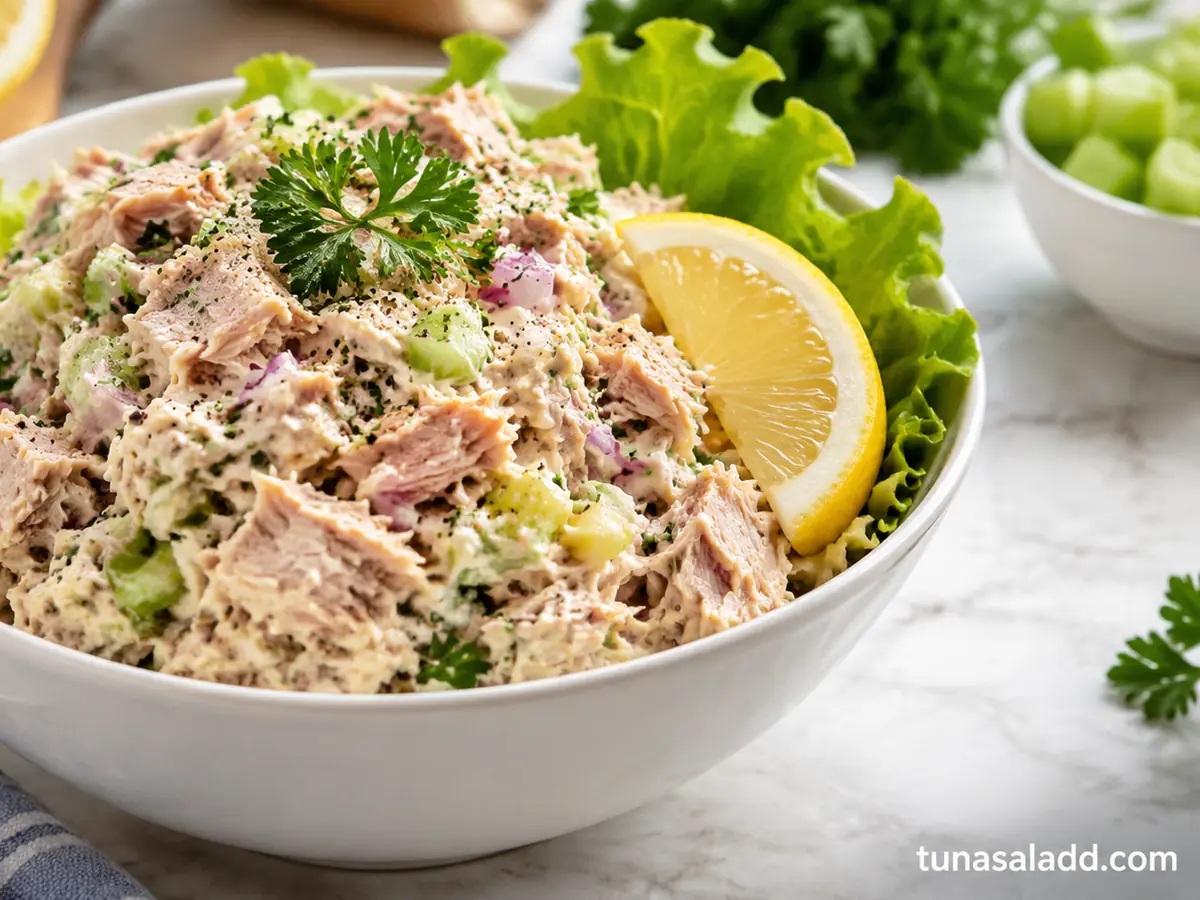
The best canned tuna for tuna salad is chunk light tuna packed in water — mild, flaky, budget-friendly, and easy to mix into a creamy salad. I have tested both chunk light and solid white albacore in my kitchen, and I keep coming back to chunk light for everyday tuna salad. This guide compares the main types, explains water-packed vs oil-packed, and shows you how to read the label before you buy.
If you have ever opened a can and wondered why one salad tastes rich and meaty while another tastes dry or fishy, the can you picked is usually the reason. In this guide, I will show you exactly which canned tuna to buy for a classic sandwich, a light lunch, or a high-protein bowl, so every batch turns out the way you want it.
Best Canned Tuna for Tuna Salad: Chunk Light vs Solid White Albacore
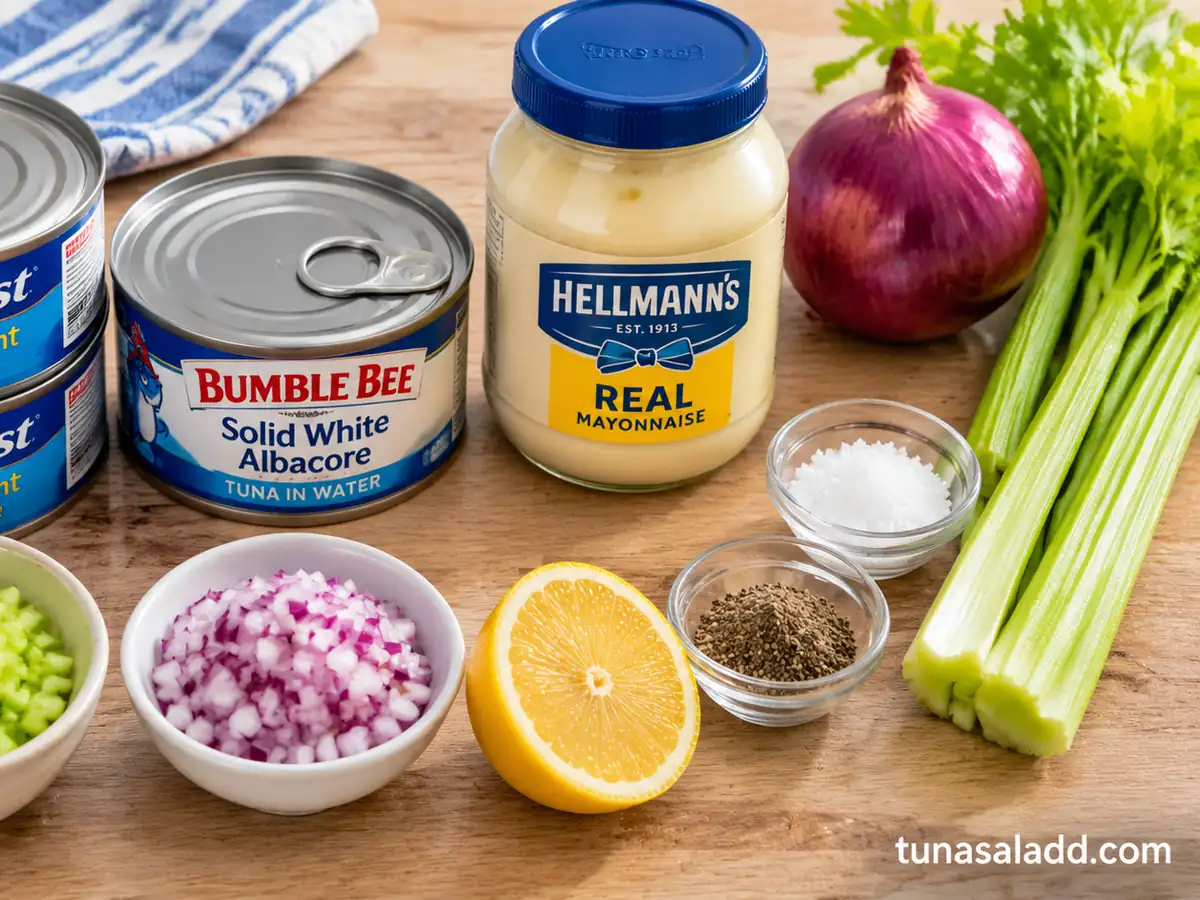
Chunk light tuna is made from smaller tuna, usually skipjack, and it has a mild flavor, soft flakes, and a lower price. It blends easily with mayonnaise, celery, and onion, which makes it my first choice for a classic tuna salad sandwich. It is also the lower-mercury option, so it fits regular weekly meals.
Solid white albacore comes from larger albacore tuna, with firm, meaty flakes and a richer, more pronounced tuna flavor. It holds its shape in the bowl and feels more premium, but it costs more and contains more mercury than chunk light. I save albacore for salads where I want the tuna itself to stand out.
Chunk Light Tuna: Best for Everyday Tuna Salad
Chunk light is the best canned tuna for tuna salad when you want a mild, budget-friendly base that mixes well. Its soft flakes break apart easily, so the salad turns creamy without much effort. Choose chunk light for sandwiches, melts, and quick weekday lunches.
Solid White Albacore: Best for a Firm, Meaty Salad
Solid white albacore is the best canned tuna for tuna salad when you want thick, meaty flakes and a stronger tuna flavor. It keeps its texture in the bowl and works well in salads with fewer mix-ins. Use it when the tuna is the star of the dish.
Best Canned Tuna for Tuna Salad: Water-Packed vs Oil-Packed
Water-packed tuna is lighter, lower in calories, and lets the clean tuna flavor come through. It drains well and mixes into a creamy salad without adding extra fat, which is why I use it most often. If you watch calories or prefer a lighter salad, water-packed is the safer pick.
Oil-packed tuna is richer, softer, and more flavorful, because the oil keeps the fish moist and carries some of the tuna’s natural oils. It can make a salad taste luxurious with less mayonnaise, but it also adds fat and calories. I choose oil-packed when I want a richer, Mediterranean-style salad.
| Water-Packed | Oil-Packed | |
|---|---|---|
| Taste | Clean, mild, and light | Rich, soft, and savory |
| Texture | Flaky, drier flakes | Moist, tender flakes |
| Calories | Lower | Higher, because the oil adds fat |
| Omega-3s | Some are lost when drained | More are retained in the oil |
| Best for tuna salad | Classic creamy salads | Rich, Mediterranean-style salads |
Water-Packed Tuna: Best for Classic Tuna Salad
Water-packed tuna is the best choice for a classic tuna salad because it drains cleanly and lets the mayonnaise, celery, and lemon set the flavor. It keeps the salad light and fresh, and it is the easiest option to season exactly the way you like it.
Oil-Packed Tuna: Best for Rich, Flavorful Tuna Salad
Oil-packed tuna is the best choice when you want a rich, flavorful salad with a soft, moist texture. Drain it lightly and use a little less mayonnaise, because the oil already adds body. It shines in salads with olives, capers, or fresh herbs.
What Is the Mercury in Canned Tuna?
Mercury is a naturally occurring element that builds up in fish, and larger, longer-lived tuna tend to carry more of it. That is why the U.S. Food and Drug Administration (FDA) and the Environmental Protection Agency (EPA) give separate advice for chunk light and albacore tuna. The guidance is simple: choose lower-mercury fish most often and keep higher-mercury fish to smaller, less frequent servings.
According to FDA and EPA guidance, chunk light tuna is a “Best Choice” and adults can eat up to 12 ounces — about two to three servings — per week. Albacore, or solid white, tuna is a “Good Choice,” and adults should limit it to 4 ounces — about one serving — per week. Pregnant women and children should follow the same FDA and EPA advice, eating mostly from the “Best Choices” list and checking local advisories for fish caught in local waters.
| Tuna Type | FDA and EPA Category | Weekly Limit for Adults |
|---|---|---|
| Chunk light | Best Choices | Up to 12 oz (2–3 servings) |
| Solid white albacore | Good Choices | Up to 4 oz (1 serving) |
Is Albacore Higher in Mercury Than Chunk Light?
Yes. Albacore tuna is higher in mercury than chunk light tuna because albacore are larger fish that live longer and eat more small fish. That is why the FDA and EPA place albacore in the “Good Choices” group and chunk light in the lower-mercury “Best Choices” group.
How to Read the Label on Canned Tuna
Start with the front of the can: look for the tuna type, such as chunk light or solid white albacore, and the packing liquid, water or oil. Then check the drained weight, because a 5-ounce can holds less tuna than the label weight suggests. A short ingredient list — tuna, water or oil, and salt — is usually a good sign.
On the back, read the nutrition label and look for the country of origin, the catch method, and any sustainability labels such as MSC or Dolphin Safe. Avoid cans with dented lids or damaged seams, and always check the best-by date. A clear label tells you exactly what is inside the can before you buy it.
Which Tuna to Choose for Each Tuna Salad Style
For a classic creamy sandwich, choose chunk light tuna packed in water. It mixes smoothly with mayonnaise and keeps the salad light and familiar. For a rich, Mediterranean-style salad, try oil-packed tuna with olives and lemon. The oil adds flavor, so you can use less mayonnaise and still get a moist salad.
For a high-protein bowl, pick solid white albacore, which has firmer flakes and more protein per serving — try it in our Best High Protein Tuna Salad. For a lighter lunch, use chunk light with Greek yogurt instead of mayonnaise, like our Tuna Salad with Greek Yogurt, or try the creamy Avocado Tuna Salad and the protein-packed Tuna Salad with Egg. For a fresh, light option, try our Healthy Tuna Salad.
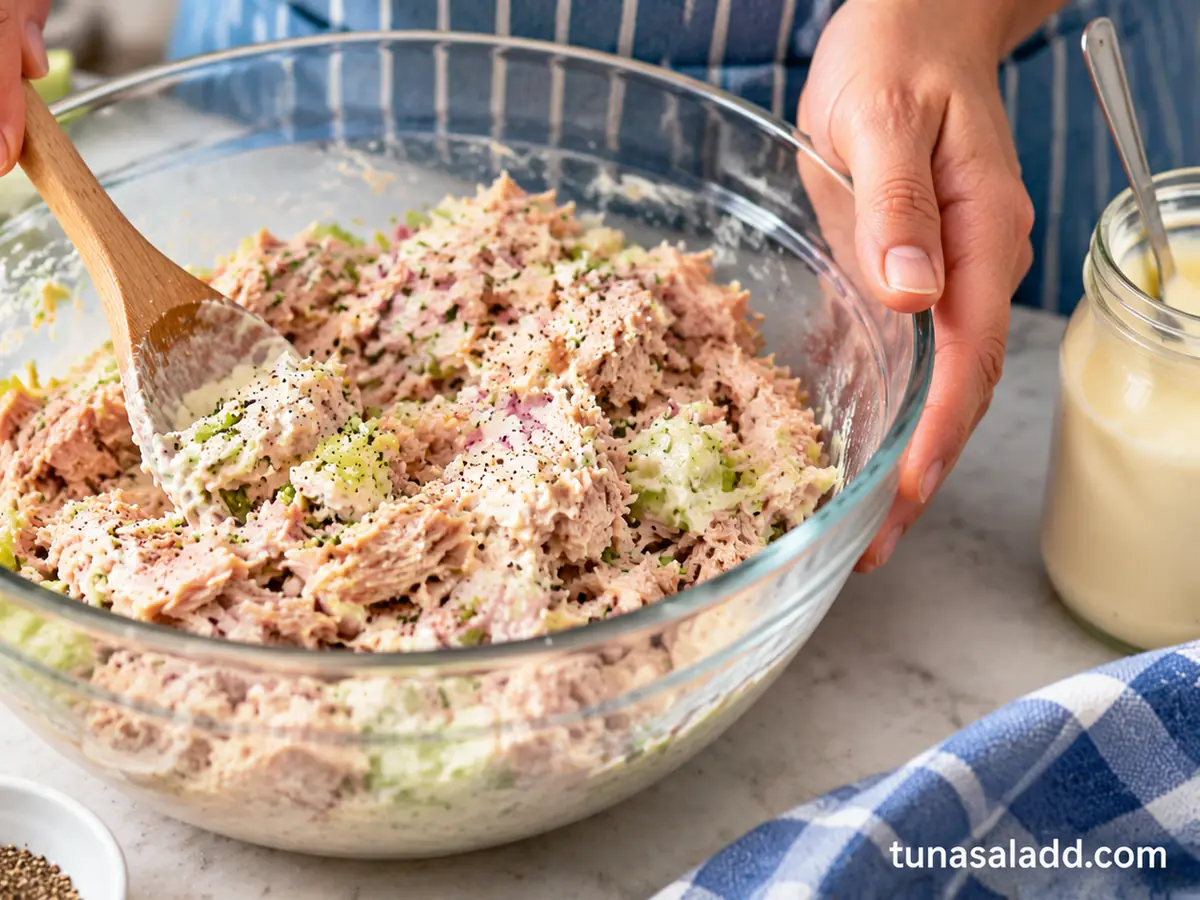
What is the best canned tuna for tuna salad?
Chunk light tuna packed in water is the best canned tuna for tuna salad for most people. It is mild, flaky, budget-friendly, and mixes easily into a creamy salad. Choose solid white albacore when you want firmer, meatier flakes and a stronger tuna flavor.
Is chunk light or albacore better for tuna salad?
Chunk light is better for everyday tuna salad because it is milder, softer, and lower in mercury. Albacore is better when you want a firm, meaty texture and a richer flavor. Both work well, so pick the one that matches the salad style you want.
Is tuna in water or oil better for tuna salad?
Tuna in water is better for a classic, light tuna salad because it is lower in calories and lets the other flavors shine. Tuna in oil is better for a rich, Mediterranean-style salad because the oil keeps the fish moist and adds flavor.
How much canned tuna can I eat in a week?
According to FDA and EPA guidance, adults can eat up to 12 ounces of chunk light tuna per week, or up to 4 ounces of albacore tuna per week. Pregnant women and children should follow the FDA and EPA advice and eat mostly from the Best Choices list.
Should I drain canned tuna before making tuna salad?
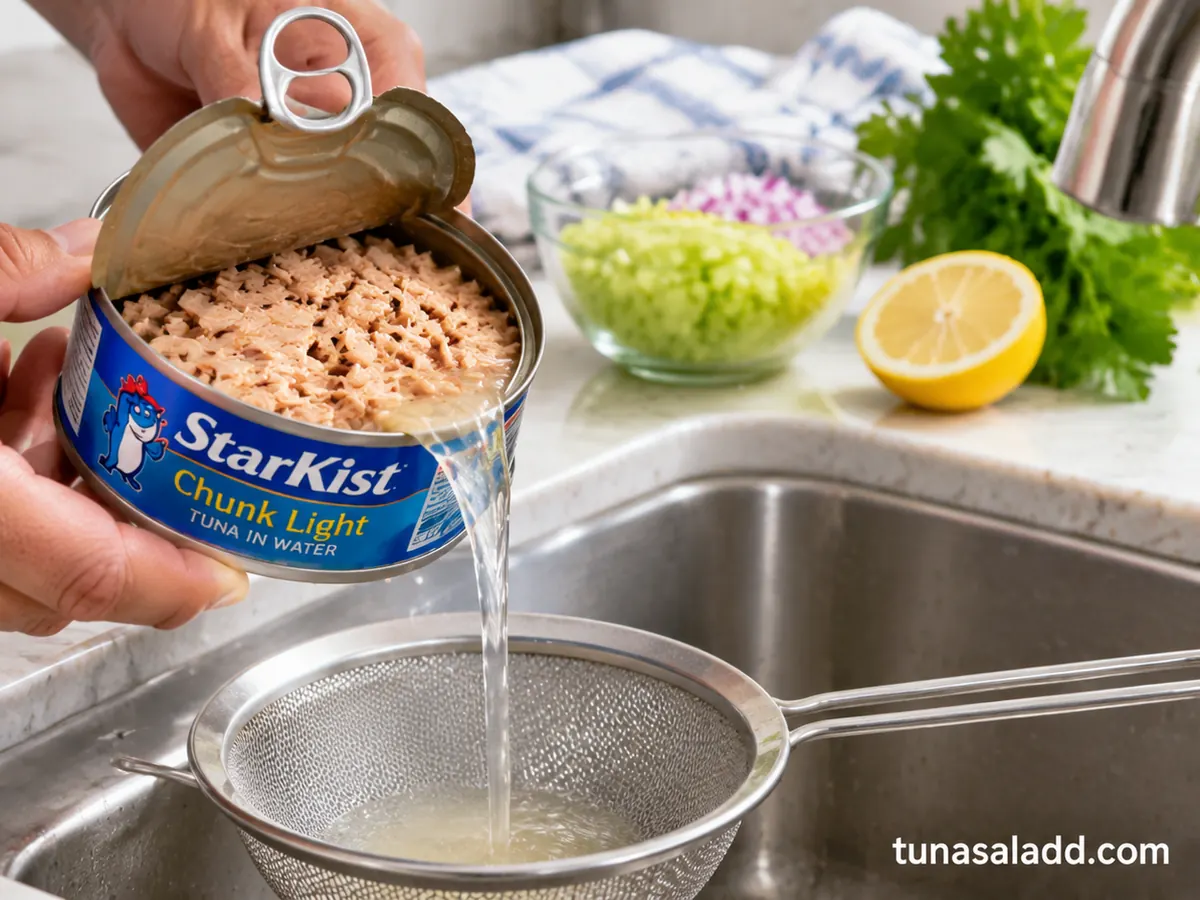
Yes, always drain canned tuna before making tuna salad. Draining removes excess water or oil, keeps the salad from turning watery, and helps the mayonnaise and seasonings coat the tuna evenly.
Final Thoughts on Choosing the Best Canned Tuna for Tuna Salad
The best canned tuna for tuna salad depends on the salad you want to make, but chunk light tuna packed in water is the safest everyday choice. It is mild, affordable, low in mercury, and mixes into a creamy salad with very little effort. Keep a few cans in your pantry, and you will always be ready to make lunch.
Once you know how to read the label and match the tuna to the recipe, every batch turns out better. Try the classic recipe below with your favorite can, then explore our other tuna salad recipes to find the style your family loves most.
Once you have picked your tuna, plan the week with our tuna salad meal prep.
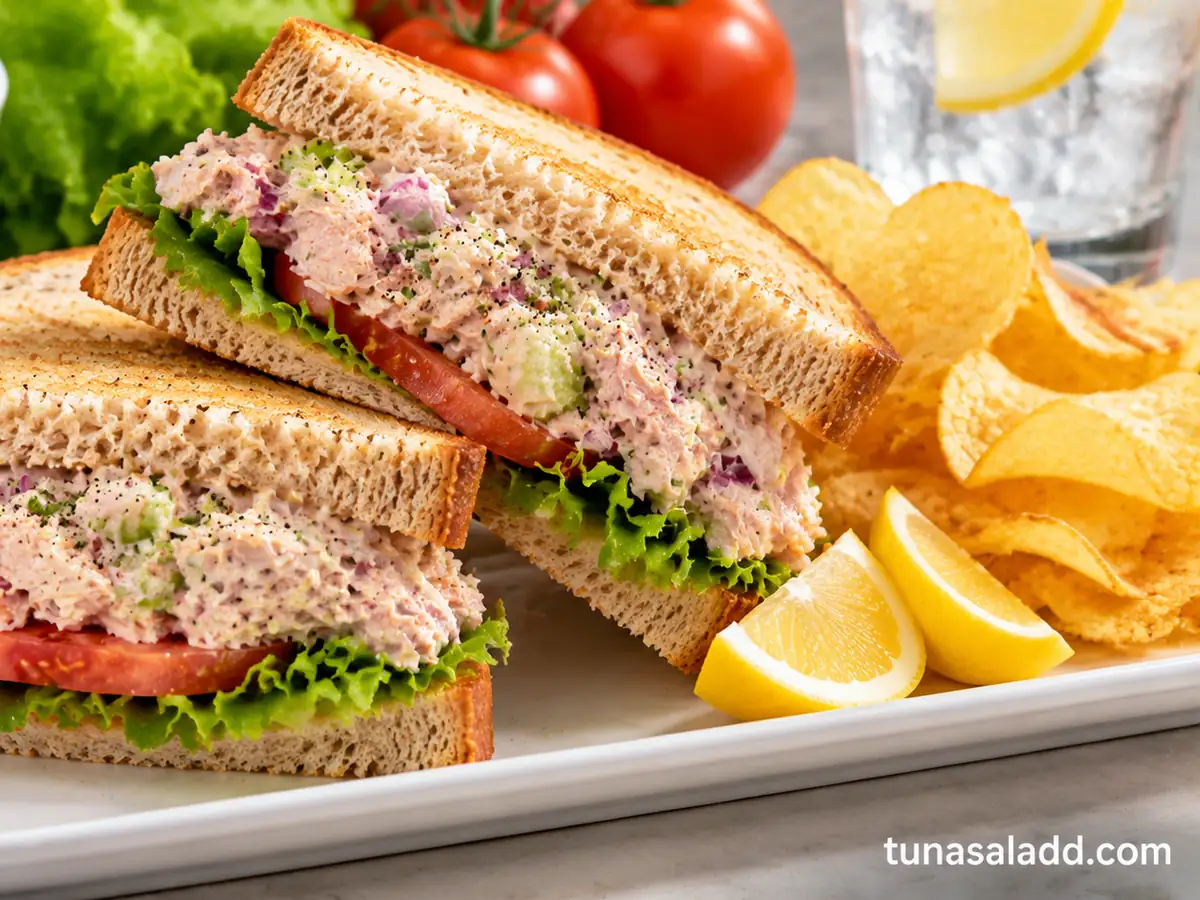
Classic Tuna Salad
Ingredients
Equipment
Method
- Drain the canned tuna well and add it to a large mixing bowl.
- Add the mayonnaise, diced celery, diced red onion, and lemon juice.
- Season with salt and black pepper.
- Mix gently with a fork until everything is combined.
- Cover and chill for 15 minutes before serving.
- Serve on bread, crackers, or over fresh greens.

Emma Collins is a home cook and food writer who shares easy tuna salad recipes, healthy meal prep ideas, and simple seafood dishes made with fresh, everyday ingredients.
10 thoughts on “Best Canned Tuna for Tuna Salad: 7 Smart Buying Tips”